
What is Astaxanthin? The King of Carotenoids Explained
Astaxanthin, a vibrant red-orange pigment, is a powerhouse carotenoid found in marine life like salmon, shrimp, and microalgae. Dubbed the “King of Carotenoids,” it boasts unmatched antioxidant strength, surpassing vitamin C, E, and other carotenoids like beta-carotene. But what makes astaxanthin so special?
What is Astaxanthin?
Astaxanthin belongs to the carotenoid family, naturally occurring in certain algae, yeast, and seafood. Its vivid color gives flamingos their pink hue and salmon their rich tone. Produced primarily by the microalga Haematococcus pluvialis, astaxanthin accumulates in organisms that consume it, delivering potent health benefits.
Why the “King”?
Astaxanthin’s dominance comes from its unique structure and function:
- Unrivaled Antioxidant Power: It’s 6,000 times stronger than vitamin C and 550 times more effective than vitamin E at neutralizing free radicals, protecting cells from oxidative stress.
- Versatile Protection: Unlike other antioxidants, astaxanthin spans cell membranes, shielding both the inner and outer layers from damage.
- No Pro-Oxidant Risk: It never becomes harmful under stress, unlike some antioxidants.
Health Benefits
Astaxanthin’s benefits are backed by science:
- Skin Health: Shields skin from UV damage, reduces wrinkles, and boosts elasticity.
- Eye Health: Protects retinas, eases eye strain, and may prevent age-related vision loss.
- Heart Health: Improves blood flow, lowers inflammation, and supports healthy cholesterol levels.
- Exercise Performance: Enhances endurance, reduces muscle damage, and speeds recovery.
- Brain Health: May protect against cognitive decline and neurodegenerative diseases.
Natural vs. Synthetic
Astaxanthin comes in natural and synthetic forms. Natural astaxanthin, derived from microalgae, is more bioavailable and effective. Synthetic versions, often used in animal feed, lack the same potency and may not deliver identical benefits.
How to Get It
- Diet: Eat wild-caught salmon, shrimp, crab, or lobster (3-4 servings weekly).
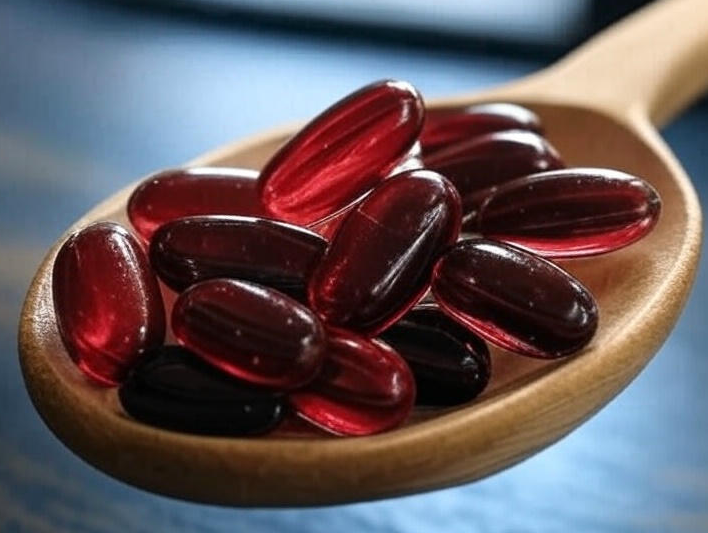
- Supplements: Look for natural astaxanthin (4-12 mg daily) from reputable sources.
- Microalgae: Direct consumption is rare but possible in specific products.
Safety and Side Effects
Astaxanthin is generally safe, with no significant side effects at recommended doses. High doses may cause harmless red stool or mild stomach discomfort. Consult a doctor if you’re pregnant, breastfeeding, or on medications.
Conclusion
Astaxanthin earns its crown through unparalleled antioxidant prowess and wide-ranging health benefits. Whether you’re aiming for better skin, stronger muscles, or a healthier heart, this carotenoid delivers. Add it to your diet or supplement routine to harness the power of the “King of Carotenoids.”